2011/04/20

震災 Earthquake disaster


 日本で3月11日に起きた、巨大地震と想像をはるかに超えた津波は、そこに住むたくさんの人の命、大事な家族、そして町そのものを奪いました。


さらに追い打ちをかけるように原発のトラブルが浮上し、涙なしでは見られない内容のニュースが続いています。

そんな中、別の意味で涙が出たニュースもありました。
それは、世界各国からの支援のニュースです。
色々な国からの応援メッセージ、被災地への救助隊の派遣、物資や医療等の支援、義援金。
それらをニュースで知る度に、ありがたさと感動で涙がこみ上げてきました。
日本を応援してくれている世界中の皆さんには、感謝の気持ちで一杯です。
本当に、本当にありがとうございます。

____________________________________

★Kanji with hiragana

震災(しんさい)

日本(にほん)で3月(がつ)11日(にち)に起(お)きた、巨大(きょだい)地震(じしん)と想像(そうぞう)をはるかに超(こ)えた津波(つなみ)は、そこに住(す)むたくさんの人(ひと)の命(いのち)、大事(だいじ)な家族(かぞく)、そして町(まち)そのものを奪(うば)いました。
さらに追(お)い打(う)ちをかけるように原発(げんぱつ)のトラブルが浮上(ふじょう)し、涙(なみだ)なしでは見(み)られない内容(ないよう)のニュースが続(つづ)いています。

そんな中(なか)、別(べつ)の意味(いみ)で涙(なみだ)が出(で)たニュースもありました。
それは、世界(せかい)各国(かっこく)からの支援(しえん)のニュースです。
色々(いろいろ)な国(くに)からの応援(おうえん)メッセージ、被災地(ひさいち)への救助隊(きゅうじょたい)の派遣(はけん)、物資(ぶっし)や医療(いりょう)等(など)の支援(しえん)、義援金(ぎえんきん)。

それらをニュースで知(し)る度(たび)に、ありがたさと感動(かんどう)で涙(なみだ)がこみ上(あ)げてきました。
日本(にほん)を応援(おうえん)してくれている世界中(せかいじゅう)の皆(みな)さんには、感謝(かんしゃ)の気持(きも)ちで一杯(いっぱい)です。
本当(ほんとう)に、本当(ほんとう)にありがとうございます。

______________________________________
 ★English translation

The huge earthquake and tsunami that exceeded all imagination that occurred on March 11th in Japan, stole away the lives of the people, their valuable families and also the whole towns of those living there.
On top of this, like an attack while the chips are down, the trouble with the nuclear power plant surfaced and watching the continuing news without shedding some tears become impossible.

Through all of this, there was some news that brought tears to my eyes in a different sense.
This was the news of assistance from countries all over the world.
The messages from of support from various countries, the dispatch of rescue teams to the disaster areas, the aid from specialist medical etcetera and of course the contributions.

Every time I find out about these things it brings out tears of blessing and emotion in me.
I am filled with gratitude towards the all the people in the world who have supported Japan.
Thank you very, very much.

______________________________________

今週(こんしゅう)の語彙(ごい)
This week's vocabulary

■震災(しんさい) 
Earthquake disaster

■追(お)い打(う)ちをかける  
attacking while pursuing, attacking the routed enemy
 
■原発(げんぱつ)
原子力発電所(げんしりょくはつでんしょ)の略(りゃく)
nuclear power plant
 
■浮上(ふじょう)
surfacing; rising to the surface
 
■支援(しえん) 
 support; backing; aid
 
■被災地(ひさいち)
a location of a disaster
 
■派遣(はけん)  
dispatch, send
 
■義援金(ぎえんきん)  
donation money
 
■ありがたさ
 a blessing


By IGARASHI Maki


2011/04/10

ラジオ Japanese radio : listening practice


台所で料理をしたり、お皿を洗ったりする時、私はよくラジオを聞いています。テレビをつけていると、テレビに目がくぎづけになって、手が止まってしまうからです。

ラジオは映像がないからつまらないと感じる人もいるかもしれませんが、映像がない分、アナウンサーがわかりやすく説明してくれます。説明を聞きながら、どんな様子か想像したり、それまでよく知らなかったニュースに関心を持ったりするのも、楽しみです。
ラジオには音楽の番組やトーク番組などがありますが、私は後者のほうが好きです。放送で紹介された話題について、全国、番組によっては世界のリスナーから、さまざまな意見が寄せられるので、とても興味深く聞いています。
インターネットでも日本のラジオ番組を聞くことができます。リスニングの練習にもなりますから、よかったら聞いてみてください。そして、みなさんの好きなラジオ番組も教えてください。


参考


____________________________________

★Kanji with hiragana


台所(だいどころ)で料理(りょうり)をしたり、お皿(さら)を洗(あら)ったりする時(とき)、私(わたし)はよくラジオを聞(き)いています。テレビをつけていると、テレビに目(め)がくぎづけになって、手(て)が止(と)まってしまうからです。
ラジオは映像(えいぞう)がないからつまらないと感(かん)じる人(ひと)もいるかもしれませんが、映像(えいぞう)がない分(ぶん)、アナウンサーがわかりやすく説明(せつめい)してくれます。説明(せつめい)を聞(き)きながら、どんな様子(ようす)か想像(そうぞう)したり、それまでよく知(し)らなかったニュースに関心(かんしん)を持(も)ったりするのも、楽(たの)しみです。
ラジオには音楽(おんがく)の番組(ばんぐみ)やトーク番組(ばんぐみ)などがありますが、私(わたし)は後者(こうしゃ)のほうが好(す)きです。放送(ほうそう)で紹介(しょうかい)された話題(わだい)について、全国(ぜんこく)、番組(ばんぐみ)によっては世界(せかい)のリスナーからさまざまな意見(いけん)が寄(よ)せられるので、とても興味(きょうみ)深(ぶか)く聞(き)いています。
  インターネットでも日本(にほん)のラジオ番組(ばんぐみ)を聞(き)くことができます。リスニングの練習(れんしゅう)にもなりますから、よかったら聞(き)いてみてください。そして、みなさんの好(す)きなラジオ番組(ばんぐみ)のことも教(おし)えてください。


参考(さんこう)

______________________________________
★English translation


When I'm cooking or doing the washing up in the kitchen, I often listen to the radio. This is because if I switch on the TV, I find that my eyes get glued to the set, and my hands stop moving.

Some people find the fact that radio does not have any images, boring but the announcers, make up for the absence of images by giving explanations that are easy to understand. I look forward to imagining the images while listening to the explanations, and have found myself getting interested in news that I hadn't known that much about.
There are music programs and talk shows, but I prefer the latter. I can listen to the opinions of people from all over the country and with some programs, listeners from all over the world giving feedback on the topics raised by the programs – its very interesting .

You can also listen to Japanese radio programs on the internet as well. It is a great way to practice your listening comprehension, please have a listen if you'd like. Then after listening to please let me know which program you like( by adding a comment under the teacher's picture – click on link that says コメント).


______________________________________
今週(こんしゅう)の語彙(ごい)
This week's vocabulary

■目(め)がくぎづけになる
eyes keep on ~


■手(て)が止(と)まる
stop working


■映像(えいぞう)
picture, image


■~がない分(ぶん)
make up for the absence of ~


■アナウンサー
announcer


■想像(そうぞう)する
imagine


■関心(かんしん)を持(も)つ
have an interest


■番組(ばんぐみ)
program


■後者(こうしゃ)
the latter


■放送(ほうそう)
broadcast


■リスナー
listener


■(~から)意見(いけん)が寄(よ)せられる
have a feedback from ~


By IKEDA Maki


2011/04/03

弁当男子 Bento Danshi : lunchboxes and Japanese men


みなさんは、「弁当男子」という言葉を聞いたことがありますか。この言葉がブームになったのは2、3年ほど前のことですが、今やすっかり世間に定着した感があります。


「弁当男子」とは、自分でお弁当を作り、職場や学校に持っていく男性のことです。「弁当男子」が増えた背景には、景気の悪化やエコブーム、健康志向などがあると言われています。雑貨屋や生活用品の店には「弁当男子」コーナーが設けられ、ビジネス用のかばんに入れやすい、細長い形のお弁当箱がたくさん並んでいます。

先日、テレビ番組で「弁当男子」のお弁当の中身が紹介されていましたが、厚焼き卵やハンバーグなど、どれを見てもおいしそうで、主婦顔負けの出来栄えでした。いずれにしても、料理ができる男性が増えることは、一女性として大歓迎です。

みなさんの国に、「弁当男子」はいますか?
日本では、春は“スタート”の季節です。みなさんも明日から「弁当男子」「弁当女子」として、スタートしてみませんか。


____________________________________

★Kanji with hiragana


みなさんは、「弁当男子(べんとうだんし)」という言葉(ことば)を聞(き)いたことがありますか。この言葉(ことば)がブームになったのは2、3年(ねん)ほど前(まえ)のことですが、今(いま)やすっかり世間(せけん)に定着(ていちゃく)した感(かん)があります。

「弁当男子(べんとうだんし)」とは、自分(じぶん)でお弁当(べんとう)を作(つく)り、職場(しょくば)や学校(がっこう)に持(も)っていく男性(だんせい)のことです。「弁当男子(べんとうだんし)」が増(ふ)えた背景(はいけい)には、景気(けいき)の悪化(あっか)やエコブーム、健康志向(けんこうしこう)などがあると言(い)われています。雑貨屋(ざっかや)や生活用品(せいかつようひん)の店(みせ)には「弁当男子」コーナーが設(もう)けられ、ビジネス用(よう)のかばんに入(い)れやすい、細長(ほそなが)い形(かたち)のお弁当箱(べんとうばこ)がたくさん並(なら)んでいます。

先日(せんじつ)、テレビ番組(ばんぐみ)で「弁当男子」のお弁当(べんとう)の中身(なかみ)が紹介(しょうかい)されていましたが、厚焼(あつや)き卵(たまご)やハンバーグなど、どれを見(み)てもおいしそうで、主婦(しゅふ)顔負(かおま)けの出来栄(できば)えでした。いずれにしても、料理(りょうり)ができる男性(だんせい)が増(ふ)えることは、一女性(いちじょせい)として大歓迎(だいかんげい)です。

みなさんの国(くに)に、「弁当男子(べんとうだんし)」はいますか?
日本では、春(はる)は“スタート”の季節(きせつ)です。みなさんも明日(あした)から「弁当男子(べんとうだんし)」「弁当女子(べんとうじょし)
として、スタートしてみませんか。


______________________________________
★English translation

Have you heard the word “Bento Danshi”. This word was a fad about 2 or 3 years ago, but now it seems to have become popular usage.

“Bento Danshi” is a man or boy that makes his own of lunchboxes to take to school or the office. The economic downturn, the boom in ecological thinking, the rise in health-consciousness are said to be some of the things behind the increase of “Bento Danshi”. Knick-knack stores, and everyday goods shops around Japan have added special Bento Danshi corners and there are a lot of thin and long lunchboxes that are designed to fit into briefcases on display.

There was a TV spot the other day in which some men showed what went into their lunchboxes. There were thick Japanese omelets, hamburger meat steaks and each and every one looked really delicious – it was a performance that would put any housewife to shame. But anyway, I, as a woman heartily welcome the increase of men who can cook.

Are there “Bento Danshi” in your country ?
In Japan, spring is the season of new starts.
Why don't you make a new start from tomorrow and become a “Bento Danshi” or “Bento Joshi” ( a girl who makes her own lunchbox).


______________________________________
今週(こんしゅう)の語彙(ごい)
This week's vocabulary

■ブーム
boom

■世間(せけん)に定着(ていちゃく)する
have popular usage

■背景(はいけい)
background

■景気(けいき)の悪化(あっか)
economic downturn/deterioration

■健康志向(けんこうしこう)
health-conscious,

■厚焼(あつや)き卵(たまご)

thick omelet

■ハンバーグ
Hamburger

■主婦(しゅふ)顔負(かおま)け
put housewife to shame

■出来栄(できば)え
performance

■いずれにしても
anyway

■大歓迎(だいかんげい)
hearty welcome


By UENO Akari


2011/03/28

パワーストーン Power Stones


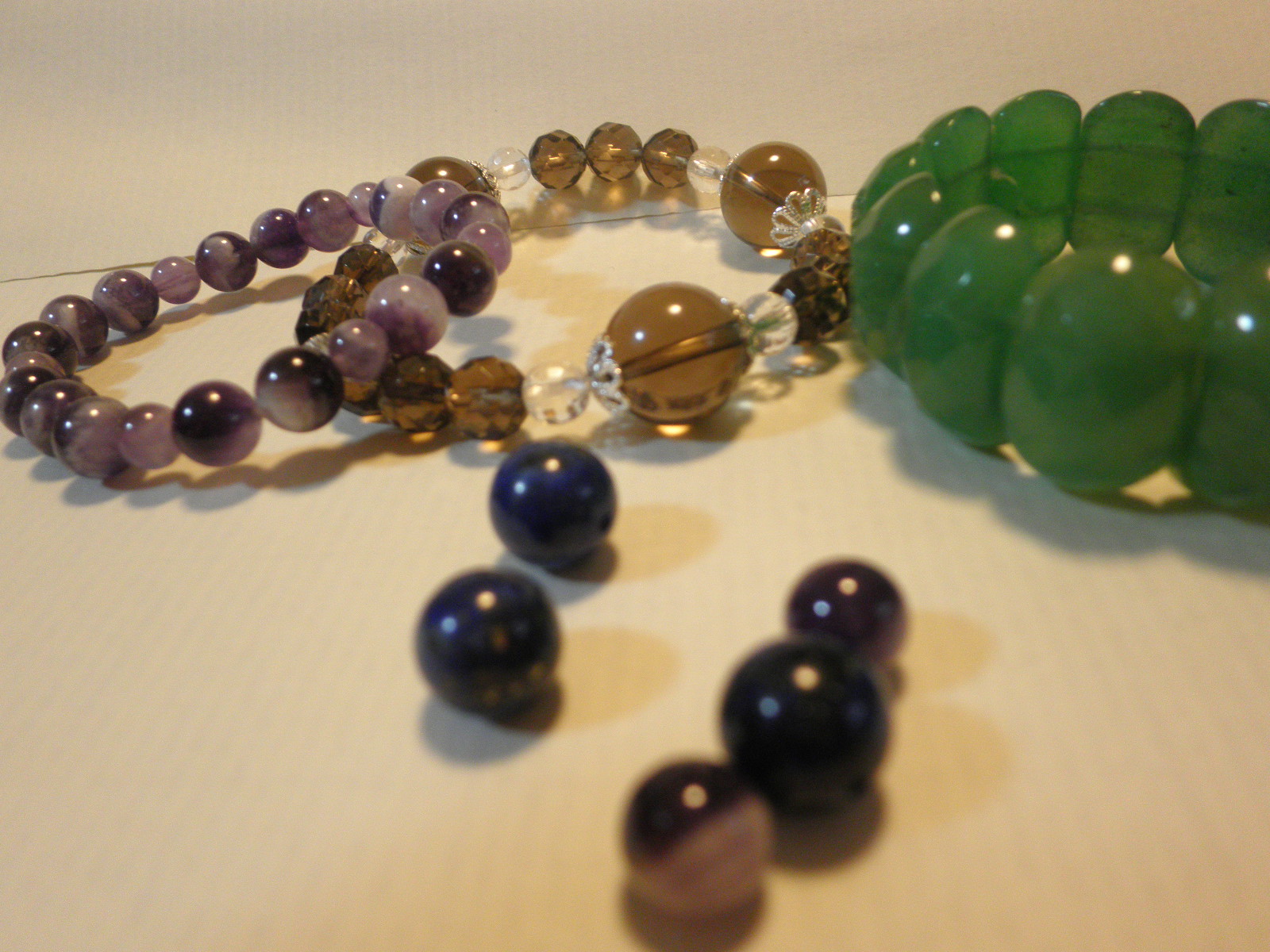
水晶、虎目石、ラピスラズリなどの石はパワーストーンと呼ばれ、力があると言われています。水晶は願望成就、虎目石は仕事運アップ、ラピスラズリは幸運を呼ぶなど、それぞれの石によって効果は違います。私の周りにも女性を輝かせる力があるといわれるローズクォーツを身につけている友だちや、虎目石を持っている人などが結構います。

実は私も普段、仕事に行くときには虎目石のブレスレッドをしています。出世する気配は全くありませんが、気持ちは落ち着くような気がします。

ダイヤモンドなどの宝石と違って、これらの石は、比較的安く手に入ります。石の力を信じるか信じないかは持つ人次第ですが、きれいで、その上、気持ちも落ち着かせてくれるなら一石二鳥ですよね。
みなさんなら、どの石を持ちたいですか? 
____________________________________

★Kanji with hiragana


 水晶(すいしょう)、虎目石(とらめいし)、ラピスラズリなどの石(いし)はパワーストーンと呼(よ)ばれ、力(ちから)があると言(い)われています。水晶(すいしょう)は願望成就(がんぼうじょうじゅ)、虎目石(とらめいし)は仕事運(しごとうん)アップ、ラピスラズリは幸運(こううん)を呼(よ)ぶなど、それぞれの石(いし)によって効果(こうか)は違(ちが)います。私(わたし)の周(まわ)りにも女性(じょせい)を輝(かがや)かせる力(ちから)があるといわれるローズクォーツを身(み)につけている友(とも)だちや、虎目石(とらめいし)を持(も)っている人(ひと)などが結構(けっこう)います。

実(じつ)は私(わたし)も普段(ふだん)、仕事(しごと)に行(い)くときには虎目石(とらめいし)のブレスレッドをしています。出世(しゅっせ)する気配(けはい)は全(まった)くありませんが、気持(きも)ちは落(お)ち着(つ)くような気(き)がします。

ダイヤモンドなどの宝石(ほうせき)と違(ちが)って、これらの石(いし)は、比較的(ひかくてき)安(やす)く手(て)に入(はい)ります。石(いし)の力(ちから)を信(しん)じるか信(しん)じないかは持(も)つ人(ひと)次第(しだい)ですが、きれいで、その上(うえ)、気持(きも)ちも落(お)ち着(つ)かせてくれるなら一石二鳥(いっせきにちょう)ですよね。
みなさんなら、どの石を持ちたいですか?


______________________________________
★English translation

Crystals, Tiger-eye, Lapis Lazuli stones etc. are known as power stones and are said to contain some power. Each different stone has a different effect; Crystals are said to fulfill wishes, Tiger-eye brings luck in your work and Lapis Lazuli is said to bring you luck. There are quite a few people around me that have Rose Quartz jewelery which is said to bring out the feminine glow in women, and some people who have Tiger-eye baubles too.

Actually, normally when I go to work, I usually wear a Tiger-Eye bracelet. I do not have any intention to advance my career in any way whatsoever, but by wearing it I seem to feel at ease.

Unlike diamonds and other precious gems, these stones are comparatively cheap to buy. Whether one believes that the stones have any power or not is up to that person, but since they are beautiful and on top of that, they calm one's feelings, I guess its like killing two birds with one stone !

Do you wear any stones or gems ? Which are your favorites ?
Write a comment under the teacher photo in English or Japanese .

______________________________________
今週(こんしゅう)の語彙(ごい)
This week's vocabulary

■水晶(すいしょう)crystal


■虎目石(とらめいし)tiger-eye


■ラピスラズリ lapis lazuli


■願望成就(がんぼうじょうじゅ)wish fulfillment


■幸運(こううん)fortune


■効果(こうか)effect


■仕事運(しごとうん)one's fate (fortune) as concerns business


■普段(ふだん)    regularly atmosphere


■出世(しゅっせ)する advance one's career


■気配 (けはい) indication; sign; hint
 

■落(お)ち着(つ)く  feel at (one's) ease, feel calm


■宝石(ほうせき) gems, jewels


■比較的(ひかくてき) comparatively


■一石二鳥(いっせきにちょう)Killing two birds with one stone.


By MATSUSAKA Shoko


2011/03/20

花粉症 Hay Fever


 春といえば、梅や桜が咲き、暖かくなってお花見もできる楽しい季節なのですが、花粉症を発症して以来、すっかり憂鬱な季節になってしまいました。 

花粉症とは植物の花粉によってくしゃみや鼻水がでたり、目がかゆくなったりするアレルギー疾患です。外出するときはマスクをつけて、めがねをかけなければなりませんし、花粉が多い日は洗濯物を家の中に干さなければなりません。

本当に早く春が終わってほしいものです。

皆さんの鼻の調子はいかがですか。
____________________________________
★Kanji with hiragana

 春(はる)といえば、梅(うめ)や桜(さくら)が咲(さ)き、暖(あたた)かくなってお花見(はなみ)もできる楽(たの)しい季節(きせつ)なのですが、花粉症(かふんしょう)を発症(はっしょう)して以来(いらい)、すっかり憂鬱(ゆううつ)な季節(きせつ)になってしまいました。 

花粉症(かふんしょう)とは植物(しょくぶつ)の花粉(かふん)によってくしゃみや鼻水(はなみず)がでたり、目(め)がかゆくなったりするアレルギー疾患(しっかん)です。
外出(がいしゅつ)するときはマスクをつけて、めがねをかけなければなりませんし、花粉(かふん)が多(おお)い日(ひ)は洗濯物(せんたくもの)を家(いえ)の中(なか)に干(ほ)さなければなりません。本当(ほんとう)に早(はや)く春(はる)が終(お)わってほしいものです。

皆(みな)さんの鼻(はな)の調子(ちょうし)はいかがですか。

______________________________________
★English translation

When we think of spring, we think of plum blossoms, cherry blossoms, it is the fun season when the temperature warms up and we can watch flowers bloom. But ever since I got 'Kafun sho' , this has become a quite depressing season for me. 'Kafun sho' is the allergic illness to plant pollen that makes you sneeze, your nose run and makes your eyes itchy. When I go outside, I have to put on a mask and wear glasses. On days when the pollen count is high I have to hang my washing up inside the house. I really hope that spring is over soon. How is your nose doing during this season ?

Write a comment by clicking the コメントlink under the teacher's picture.

______________________________________

今週(こんしゅう)の語彙(ごい)
This week's vocabulary

■憂鬱(ゆううつ)な
depressive

■花粉症(かふんしょう)
hay fever

■アレルギー
Allergy

■マスク
mask

■洗濯物(せんたくもの)
clothes to be washed


By TAKASE Chiharu


2011/03/14

方言「いずい」 Japanese language dialects


私の生まれは青森県です。そこの方言で、「いずい」という言葉があります。高校を卒業して地元を離れるまで、「いずい」が標準語ではないと知りませんでした。

新しい服を着てみて、何となく体にフィットしない感じのとき「この服、いずいね。」と言ったりします。「ちょっとずれていて気持ちが悪いような、何となく不快な感じ」を「いずい」で表現します。
「いずい」を標準語に置き換えようと思っても、標準語では「これ」という言葉が見つかりません。「いずい」は「いずい」としか言いようがないのです。とても使い勝手のいい言葉で、地元を離れて方言を使うことがなくなった今でも、この言葉だけは、自然と口から出てきます。

若いころは方言を話すことを恥ずかしいと思っていたのですが、今は違います。方言の心地よさがたまりません。
みなさんはどんな方言を話しますか。標準語には訳しにくいもの、何かありますか?

____________________________________
★Kanji with hiragana
方言(ほうげん)「いずい」

私(わたし)の生(う)まれは青森県(あおもりけん)です。そこの方言で、「いずい」という言葉(ことば)があります。高校(こうこう)を卒業(そつぎょう)して地元(じもと)を離(はな)れるまで、「いずい」が標準語(ひょうじゅんご)ではないと知(し)りませんでした。

新(あたら)しい服(ふく)を着(き)てみて、何(なん)となく体(からだ)にフィットしない感(かん)じのとき「この服、いずいね。」と言(い)ったりします。「ちょっとずれていて気持(きも)ちが悪(わる)いような、何となく不快(ふかい)な感(かん)じ」を「いずい」で表現(ひょうげん)します。
「いずい」を標準語に置(お)き換(か)えようと思(おも)っても、標準語では「これ」という言葉が見(み)つかりません。「いずい」は「いずい」としか言いようがないのです。とても使(つか)い勝手(がって)のいい言葉で、地元を離れて方言を使うことがなくなった今(いま)でも、この言葉だけは、自然(しぜん)と口(くち)から出(で)てきます。

若(わか)いころは方言を話(はな)すことを恥(は)ずかしいと思っていたのですが、今は違(ちが)います。方言の心地(ここち)よさがたまりません。
みなさんはどんな方言を話しますか。標準語には訳(やく)しにくいもの、何かありますか?
______________________________________
★English translation

My birthplace is Aomori prefecture. In the local dialect of that area there is a word called 'izui'.
After I graduated from high school and left my home town, I came to understand that 'izui' is not part of the standard Japanese language.

When we buy some new clothes and to describe the feeling you get when they do not fit well on your body, we tend to say “Kono youfuku ha izui ne” ( These clothes are 'izui' ) . [When something is a little off center and feels uncomfortable, a kind of unpleasant sensation] - we use the word 'izui' to express this.
I decided to replace the word with another one from standard Japanese, but I couldn't find one that fit just right right. There's no other way to say it; 'izui' is 'izui' . It is a very usuable word, and even now when I've stopped using my local area's dialect, this word still comes out of my mouth naturally.

When I was younger, I used think that using my local dialect was embarrasing, but now I feel different. That comfortable feeling I get using the dialect is really wonderful.
What dialect do you use ? Are there any words that you cannot translate into the standard language ?

Please add a comment under the teacher's picture 
by clicking the コメント link
______________________________________

今週(こんしゅう)の語彙(ごい)
This week's vocabulary

■方言(ほうげん)
a dialect

■地元(じもと)
local

■標準語(ひょうじゅんご)
the standard language

■不快(ふかい)
unpleasant ; disagreeable ; uncomfortable ; displeased

■~ようがない
There is no way, it is impossible, it cannot be done

■使い勝手(つかいがって)
engineering access; convenience; usability

■心地(ここち)よさ

■恥(は)ずかしい
shy

By Yokozuka Noriko