2011/11/19

冬支度(ふゆじたく) Winter preparations in Hokkaido


私は 日本の 北海道に 住んでいます。ここは 日本の 北側に 位置していて、日本では最初に 雪が降るところ です。

1115日、天気予報に 初めて 「雪」マークが つきました。しかも 予報では 「少し積もるでしょう」と 言っています。 私は さっそく 近所のタイヤ屋さんへ行き、車のタイヤを 冬交換してもらいました。
町では この季節になると、交差点坂道などに、上の写真のような 「箱」が 設置されます。
この箱は 何だと思いますか。・・・その名も 「砂箱」。この中には 袋に 詰められた「砂」が入っています。冬の雪道凍って ツルツル」になります。滑って とても 危険なので、この砂を 道に 撒くのです。
北国の人々は この箱を 見ると、いよいよ 雪の季節が来た、と感じるのです。
あなたの町では 季節が 変わるとき、どんな「支度」をしますか。


______________________________

Kanji with hiragana

私(わたし)は 日本(にほん)の 北海道(ほっかいどう)に 住(す)んでいます。
ここは 日本の北側(きたがわ)に 位置(いち)していて、日本では 最初(さいしょ)に 雪(ゆき)が 降(ふ)るところです。

11月(がつ)15日(にち)、天気予報(てんきよほう)に 初(はじ)めて 「雪(ゆき)」マークがつきました。しかも 予報(よほう)では 「少(すこ)し積(つ)もるでしょう」と 言(い)っています。 私(わたし)は さっそく 近所(きんじょ)のタイヤ屋(や)さんへ行(い)き、車(くるま)のタイヤを 冬用(ふゆよう)交換(こうかん)してもらいました。

町(まち)では この季節(きせつ)になると、交差点(こうさてん)坂道(さかみち)などに、上(うえ)の写真(しゃしん)のような「箱(はこ)」が 設置(せっち)されます。
この箱は 何(なん)だと 思(おも)いますか。・・・その名(な)も 「砂箱(すなばこ)」。
この中(なか)には 袋(ふくろ)に 詰(つ)められた 「砂(すな)」が 入(はい)っています。冬(ふゆ)の 雪道(ゆきみち)凍(こお)って ツルツル」になります。滑(すべ)って とても 危険(きけん)なので、この砂 を道(みち)に撒(ま)くのです。

北国(きたぐに)の人々(ひとびと)は この箱を 見(み)ると、いよいよ 雪の季節が 来(き)た、と感(かん)じるのです。
あなたの町では 季節が 変(か)わるとき、どんな 「支度(したく)」を しますか。
____________________________________

English translation


I live in Hokkaido in Japan. This is positioned in the northern part of Japan and is where the first snow of winter falls.

On November 15th the first snow icon appeared on the weather forecast . Moreover, the information stated that it would pile up a little. So I promptly went out to the tire shop in my neighborhood and had my car's tires changed to the winter-use ones.

When this season comes, at intersections and on hill roads, boxes like the one in the photo above are set up around the town. What do you think these boxes are ? ...Well they are known as 'Sand Boxes'. There are bags packed full of sand inside. When the winter roads freeze over, they become slippery. Its really dangerous if you slip, so we sprinkle the sand on the roads.

When the Hokkaido people see these boxes, they feel that winter has come at last.
What preparations are made for when the seasons change in your town ?

★If you want to listen to this blog 
Please watch our video.


____________________________________

今週(こんしゅう)の語彙(ごい)
This week's vocabulary


位置 【いち】  place; situation; position; location

しかも : moreover; furthermore


積もる 【つもる】  to pile up; to accumulate


~用 【よう】 use; duty; service


交換 【こうかん】 exchange; interchange; switching


交差点 【こうさてん】  crossing; intersection


坂道 【さかみち】  hill road


設置 【せっち】 (1) establishment; institution; (2) installation (of a machine or equipment)


詰める 【つめる】  to stuff into; to jam; to cram; to pack


砂 【すな】  sand


雪道 【ゆきみち】  snow-covered road


凍る 【こおる】  to freeze; to be frozen over


つるつる  / ツルツル: slippery; smooth


滑る 【すべる】  to glide; to slide (e.g. on skis); to slip


く 【まく】  to scatter; to sprinkle; to strew


北国 【きたぐに】  northern provinces; northern countries


いよいよ : at last; finally; beyond doubt


支度 【したく】  preparation; arrangements


By ITAYA Sayuri


2011/11/13

世界コスプレサミット(World Cosplay Summit、WCS)in 名古屋

                              photo by rumpleteaser

 みなさんは「世界コスプレサミット」をご存じですか。アニメやゲームのキャラクターになりきったコスプレイヤーが、世界一を競う大会です。2003年に始まり、今年で9回目になります。
名古屋のテレビ局が、コスプレを楽しむ海外の漫画・アニメファンを日本へ招待したのがきっかけでした。「好き」という気持ちを視覚的にわかりやすく表現したコスプレは、世界の漫画・アニメファンの共感呼びました。参加する国も毎年増え、今年は17か国になりました。優勝はブラジル代表です。衣装もさることながら舞台での演技も素晴らしいものでした。
 コスプレといえば、日本を代表するサブカルチャーですが、上記テレビ局の他、外務省・名古屋市なども主催者になっています。
 夏、名古屋へいらっしゃる方は、日程をぜひコスプレサミットに合わせてみてください。いつもと違う旅行が楽しめると思います。


______________________________

Kanji with hiragana


世界(せかい)コスプレサミット(World Cosplay SummitWCSin 名古屋(なごや)

 みなさんは「世界(せかい)コスプレサミット」をご存(ぞん)じですか。アニメやゲームのキャラクターになりきっコスプレイヤーが、世界一(せかいいち)を競(きそ)う大会(たいかい)です。2003年(ねん)に始(はじ)まり、今年(ことし)で9回目(きゅうかいめ)になります。

名古屋(なごや)のテレビ局(きょく)が、コスプレを楽(たの)しむ海外(かいがい)の漫画(まんが)・アニメファンを日本(にほん)へ招待(しょうたい)したのがきっかけでした。「好(す)き」という気持(きも)ちを視覚的(しかくてき)にわかりやすく表現(ひょうげん)したコスプレは、世界(せかい)の漫画(まんが)・アニメファンの共感(きょうかん)を呼(よ)びました。参加(さんか)する国(くに)も毎年(まいとし)増(ふ)え、今年(ことし)は17か国(こく)になりました。優勝(ゆうしょう)はブラジル代表(だいひょう)です。衣装(いしょう)もさることながら舞台(ぶたい)での演技(えんぎ)も素晴(すば)らしいものでした。

 コスプレといえば、日本(にほん)を代表(だいひょう)するサブカルチャーですが、上記(じょうき)のテレビ局(きょく)の他(ほか)、外務省(がいむしょう)・名古屋市(なごやし)なども主催者(しゅさいしゃ)になっています。
 夏(なつ)、名古屋(なごや)へいらっしゃる方(かた)は、日程(にってい)をぜひコスプレサミットに合(あ)わせてみてください。いつもと違(ちが)う旅行(りょこう)が楽(たの)しめると思(おも)います。


____________________________________

English translation


The Nagoya World Cosplay Summit
Do you know about the World Cosplay Summit ? It is a contest where “Cosplayers” dressed as characters from the world of Anime and games compete to be the best in the world. Starting in 2003, this year marks the 9th such event.

The initial impetus for the event came about when a Nagoya-based TV station invited some Manga and Anime fans, who enjoyed Cosplay, to Japan. The easily understood manner in which the Cosplay visually expresses the feeling of enthusiastic liking, resonated with Manga and Anime fans around the world. The number of countries participating increases each year, this year there were 17 countries represented. The winner was the representative from Brazil. It almost goes without saying, but the stage performances were as wonderful as the costumes themselves.

Since Cosplay has become a sub-culture that represents Japan, along with the above TV station, Nagoya city and the Ministry of Foreign Affairs have also become organizers of the event.

If you are planning to visit Nagoya, please try to schedule your trip to coincide with the World Cosplay Summit. I think you will be able to enjoy a trip that is different from the norm. 


____________________________________

今週(こんしゅう)の語彙(ごい)
This week's vocabulary


コスプレ costume play ⇒ cosplay(和製英語:わせいえいご=日本で作られた英語風の日本語)Japanese English (a person wearing costume of famous characters)

なりきる to identify with the character
 
コスプレイヤー cosplayer

競(きそ)う to compete

大会(たいかい) contest

招待(しょうたい)する to invite

視覚的(しかくてき)に visually

表現(ひょうげん)する to express

共感(きょうかん)を呼(よ)ぶ excite somebody’s sympathy  

参加(さんか)する to take part in

優勝(ゆうしょう) championship

代表(だいひょう) representative
 
衣装(いしょう) costume 
 
~もさることながら it goes without saying, but not only

舞台(ぶたい) stage 
 
演技(えんぎ) performance

サブカルチャー subculture  

上記(じょうき) above

外務省(がいむしょう) the Ministry of Foreign Affairs

主催者(しゅさいしゃ) organizer
 
日程(にってい) schedule


By MIZUNO Momoyo


2011/10/30

いろいろな名前を持つ町・日田 Hita in Oita (a town with many faces)


 先日福岡県と大分県を旅して来ました。今回は、訪れた町の一つ日田市を紹介します。
日田はいくつかの顔を持っています。北部九州の中ほどに位置し、昔から交通の要衝であった日田の第一の顔は、江戸時代の政治の中心地としての顔です。江戸時代ここには幕府の代官所が置かれ、九州各地から人が集まりました。幕府の直轄地だったこの土地は、「天領日田」と呼ばれています。
 また、この町には江戸時代に栄えた、当時の姿がそのまま残っています。狭い道路に白壁の商店が並び、商店の入り口には年中きれいな雛人形が飾られています。その雰囲気が京都に似ていることから、「小京都」とも呼ばれています。
 さらに日田には山に囲まれきれいな川が流れる、自然に恵まれた町としての顔があります。太平洋からも、日本海からも遠く離れていて、海を見ることはできませんが、その代わり、鮎が遡上するきれいな川が流れていて、「水郷日田」と呼ばれています。
 自然豊かな歴史の町に、機会があったら行ってみてください。

______________________________

Kanji with hiragana

いろいろな名前(なまえ)を持(も)つ町(まち)日田(ひた)

 先週(せんしゅう)福岡県(ふくおかけん)と大分県(おおいたけん)を旅(たび)して来(き)ました。今回(こんかい)は、訪(おとず)れた町(まち)の一つ日田市(ひたし)を紹介(しょうかい)します。
日田(ひた)はいくつかの顔(かお)を持(も)っています。北部(ほくぶ)九州(きゅうしゅう)の中ほどに位置(いち)し、昔(むかし)から交通(こうつう)の要衝(ようしょう)であった日田(ひた)の第一(だいいち)の顔(かお)は、江戸時代(えどじだい)の政治(せいじ)の中心地(ちゅうしんち)としての顔(かお)です。江戸時代(えどじだい)ここには幕府(ばくふ)の代官所(だいかんしょ)が置(お)かれ、九州各地(きゅうしゅうかくち)から人(ひと)が集(あつ)まりました。幕府(ばくふ)の直轄地(ちょっかつち)だったこの土地(とち)は、「天領(てんりょう)日田(ひた)」と呼(よ)ばれています。

 また、この町(まち)には江戸時代(えどじだい)に栄(さか)えた、当時(とうじ)の姿(すがた)がそのまま残(のこ)っています。狭(せま)い道路(どうろ)に白壁(しろかべ)の商店(しょうてん)が並(なら)び、商店(しょうてん)の入(い)り口(ぐち)には年中(ねんじゅう)きれいな雛(ひな)人形(にんぎょう)が飾(かざ)られています。その雰囲気(ふんいき)が京都(きょうと)に似(に)ていることから、「小京都(しょうきょうと)」とも呼(よ)ばれています。

 さらに日田(ひた)には山(やま)に囲(かこ)まれきれいな川(かわ)が流(なが)れる自然(しぜん)に恵(めぐ)まれた町(まち)としての顔(かお)があります。太平洋(たいへいよう)からも、日本海(にほんかい)からも遠(とお)く離(はな)れていて、海(うみ)を見(み)ることはできませんが、その代(か)わり、鮎(あゆ)が遡上(そじょう)するきれいな川(かわ)が流(なが)れていて、「水郷(すいきょう)日田(ひた)」と呼(よ)ばれています。
 自然(しぜん)豊(ゆた)かな歴史(れきし)の町(まち)に、機会(きかい)があったら行ってみてください。

____________________________________

English translation


Last week, I took a trip to Fukuoka prefecture and Oita prefecture. In this blog, I am going to introduce one of the towns I visited, Hita. Hita, located in roughly the center of northern Kyushu, in olden times was a strategic transport communication, is a town with many faces. The first face is the face of a town which , during the Edo era, was a center of political activity. During the Edo period, the shogunate placed its local administrator's office here, and people from all over Kyushu would gather here. This land, which was under direct control of the shogunate was known then as [Ten Ryo Hita](Imperial Hita).

So this town became prosperous during the Edo period, and the form that it took on then, has been well preserved. The narrow streets are lined with white walled store fronts and in the entrances of these stores, beautiful Hina Ningyo (dolls used to celebrate Girl's Day) are put on display all year long. The atmosphere of the town is rather similar to Kyoto, so it is also called “a little Kyoto”.

Hita also has another face, surrounded by mountains with a beautiful river running through it, it has a face of a town blessed with nature. Since it is far from the Pacific Ocean and far from the Japan Sea, you cannot see the sea from Hita, but instead, with the beautiful river running through it and Ayu( type of fish) swimming upstream , Hita is also known [Sui Kyo Hita] (Riverside Hita).

Abundant with nature, and history, if you get a chance, try to go and see Hita for yourself.


____________________________________

今週(こんしゅう)の語彙(ごい)
This week's vocabulary


福岡県(ふくおかけん) Fukuoka prefecture

大分県(おおいたけん) Oita prefecture

日田市(ひたし) Hita city

旅(たび)する  to travel

紹介する     to introduce

要衝(ようしょう) a strategic point

江戸時代(えどじだい) Edo period

幕府(ばくふ) shogunate

代官所(だいかんしょ) a local administrator office

置(お)く to place

~の直轄地(ちょっかつち) a land under the direct control of ~

明治(めいじ) Meiji Era

栄(さか)える to become prosperous

雛(ひな)人形(にんぎょう) 
a doll displayed on the Girl's Festival day

白壁(しろかべ) a white wall

雰囲気(ふんいき) atmosphere

~に恵(めぐ)まれた to be blessed with

その代わり instead

鮎(あゆ) an ayusweetfish

遡上(そじょう)する   to ascend


By MOMII Shigefumi


2011/10/22

新しいカタカナ語 New Japanese Katakana


私は今、1年半ぶりに日本へ帰って来ています。帰国して、一番驚いたことは、以前より、もっとカタカナ語が使われていることです。そこで、今回は最近よく日本で使われている新しいカタカナ語をいくつかご紹介します。

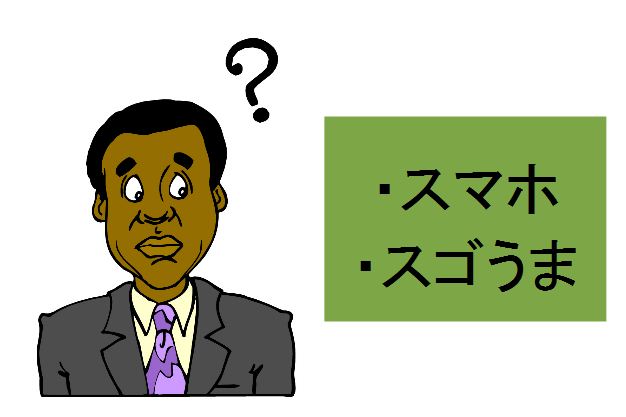
 まずは「スマホ」。みなさん、何のことだか分かりますか。「スマホ」とは「スマートフォン」のです。スマホと一緒によく使う言葉が「アプリ」。これはスマホやタブレットで使う「アプリケーション」のことです。
 次に「ユビキタス」。元々、ユビキタス(ubiquitous)は「どこにでも存在する」ことを意味する英語の形容詞です。しかし、日本語では「ユビキタスコンピューティング」の略としてよく使われます。その場合は「いつでもどこでも、利用者が意識すること無く、コンピューターやネットワークなどを利用できる状態」という意味です。
 また、最近は外来語だけではなく、日本語にもカタカナを使うことが増えているようです。例えば、「スゴうま」や「スゴ技」など、日本語の「すごい」を「スゴ」とカタカナで書きます。ちなみに「スゴうま」は「すごいうまい」、「スゴ技」は「すごい技」という意味です。
 みなさんも是非、日本のウェブサイトや本、漫画などで、新しいカタカナ語を探してみてください。きっとおもしろいはずですから、エンジョイしてサプライズしてください!

《参考(さんこう)》


______________________________

Kanji with hiragana


新(あたら)しいカタカナ語(ご)

 私(わたし)は今(いま)、1年(ねん)半(はん)ぶりに日本(にほん)へ帰(かえ)って来(き)ています。帰国(きこく)して、一番(いちばん)驚(おどろ)いたことは、以前(いぜん)より、もっとカタカナ語(ご)が使(つか)われていることです。そこで、今回(こんかい)は最近(さいきん)よく日本(にほん)で使(つか)われている新(あたら)しいカタカナ語(ご)をいくつかご紹介(しょうかい)します。
 まずは「スマホ」。みなさん、何(なん)のことだか分(わ)かりますか。「スマホ」とは「スマートフォン」の(りゃく)です。スマホと一緒(いっしょ)によく使(つか)う言葉(ことば)が「アプリ」。これはスマホやタブレットで使(つか)う「アプリケーション」のことです。
 次(つぎ)に「ユビキタス」。元々(もともと)、ユビキタス(ubiquitous)は「どこにでも存在(そんざい)する」ことを意味(いみ)する英語(えいご)の形容詞(けいようし)です。しかし、日本語(にほんご)では「ユビキタスコンピューティング」の略(りゃく)としてよく使(つか)われます。その場合(ばあい)は「いつでもどこでも、利用者(りようしゃ)が意識(いしき)すること無(な)く、コンピューターやネットワークなどを利用(りよう)できる状態(じょうたい)」という意味(いみ)です。
 また、最近(さいきん)は外来語(がいらいご)だけではなく、日本語(にほんご)にもカタカナを使(つか)うことが増(ふ)えているようです。例(たと)えば、「スゴうま」や「スゴ技(わざ)」など、日本語(にほんご)の「すごい」を「スゴ」とカタカナで書(か)きます。ちなみに「スゴうま」は「すごいうまい」、「スゴ技(わざ)」は「すごい技(わざ)」という意味(いみ)です。
 みなさんも是非(ぜひ)、日本(にほん)のウェブサイトや本(ほん)、漫画(まんが)などで、新(あたら)しいカタカナ語(ご)を探(さが)してみてください。きっとおもしろいはずですから、エンジョイしてサプライズしてください!

《参考(さんこう)》


____________________________________

English translation


I came back to Japan for the first time in a year and a half. The most surprising thing for this return is that more katakana words are used than before. So, this time, I will introduce new katakana words often used in Japan recently.
  First of all, “Sumaho”, do you know what it is? “Sumaho” is shortened word for “smart phone.” The word we use with Sumaho is “Apuri.” This means “application” used for smart phones and tablets.
Then, ubiquitous, originally ubiquitous is an English adjective, which means “seeming to be in all places.” However, it is often used as a shortened word for “ubiquitous computing.” In that case, that means “the state in which users can use computers and networks anytime anywhere without.” For example, the environments in which “when you take some products from convenience stores, the money is automatically paid” or “ when your guests come to your house, your mobile tells you automatically.”
Besides, it seems more katakana is used for not only foreign words but also Japanese words. For example, like “sugo uma”, “sugo waza” and so on, people write “sugo” in katakana as a Japanese word “sugoi.” By the way, “sugo uma” means “very tasty” and “sugo waza” means “wonderful skill.”
  Please try to find new katakana words on Japanese web sites, books or comics. I’m sure it will be fun. So, enjoy it and be surprised!


____________________________________

今週(こんしゅう)の語彙(ごい)
This week's vocabulary


■~年ぶり(ねんぶり)
 for the first time in years

略 (りゃく)   
abbreviation, omission, short

元々 (もともと)  
originally

利用者 (りようしゃ)
  user

外来語 (がいらいご)  
borrowed word, foreign origin word

すごい  
terrible, dreadful, terrific, amazing, great, wonderful, to a great extent


By Chiba Sakie