2012/05/03

鯉のぼり Japanese Carp Streamers


日本では 5月5日は「こどもの日」で、祝日です。
昔は「端午の節句」と言われ、男の子が健康で元気に育つことをお祈りする日でしたが、今では男の子・女の子の区別はなくなり、「子どもの日」となりました。
この「子どもの日」に、男の子のいる家庭では、庭に木の棒を立て、「鯉のぼり」を揚げます。これは男の子が生まれたことを知らせるための「のぼり」です。なぜ魚の「鯉」の形なのか?というと、中国の伝説で、鯉が「龍門」という急流の川をのぼると龍になって天へ登る、つまり「出世」することの象徴が「鯉」なのだそうです。
「屋根より高い鯉のぼり・・・」という歌がありますが、最近はそれをあまり見かけなくなりました。家が狭かったり、マンションには庭がなかったりするので、ベランダ用や玄関用といった小さな物もあるようです。少し寂しいですね。

あなたの国では子どもの健康を祈るためにどんなことをしますか。

「鯉のぼり」の歌(Click here)  


★If you want to listen to this blog 
Please watch our video.


____________________________

★Kanji with hiragana


「鯉(こい)のぼり」 

日本では 5月5日(ごがついつか)は「こどもの日」で、祝日(しゅくじつ)です。
昔(むかし)は「端午(たんご)の節句(せっく)」と言(い)われ、男(おとこ)の子(こ)が健康(けんこう)で元気(げんき)に育(そだ)つことをお祈(いの)りする日(ひ)でしたが、今(いま)では男の子・女(おんな)の子の区別(くべつ)はなくなり、「こどもの日」となりました。

この「こどもの日」に、男の子のいる家庭(かてい)では、庭(にわ)に木(き)の棒(ぼう)を立(た)て、「鯉のぼり」を揚(あ)げます。これは男の子が生(う)まれたことを知(し)らせるための「のぼり」です。なぜ魚(さかな)の「鯉(こい)」の形(かたち)なのか?というと、中国(ちゅうごく)の伝説(でんせつ)で、鯉が「龍門(りゅうもん)」という急流(きゅうりゅう)の川(かわ)をのぼると龍(りゅう)になって天(てん)へ登(のぼ)る、つまり「出世(しゅっせ)」することの象徴(しょうちょう)が「鯉」なのだそうです。
「屋根(やね)より高(たか)い鯉のぼり・・・」という歌(うた)がありますが、最近(さいきん)はそれをあまり見(み)かけなくなりました。家(いえ)が狭(せま)かったり、マンションには庭(にわ)がなかったりするので、ベランダ用(よう)や玄関(げんかん)用といった小(ちい)さな物(もの)もあるようです。少(すこ)し寂(さび)しいですね。

あなたの国(くに)では子どもの健康を祈るためにどんなことをしますか。

「鯉(こい)のぼり」の歌(うた)(Click here)


____________________

★English translation

May 5th in Japan is a national holiday known as Children's day.
In the past it used to be known as Boy's Day, a day on which people would pray for their boys to be raised in good health and spirit, but today it is for both girls and boys without distinction, and has come to be known as Children's Day.

On this Children's Day, in families with sons , they put up poles up in their gardens and raise "Koi Nobori". This "Nobori" or banner is a sign to show that a son has been born. Why is the banner made in the shape of a "Koi" or carp ? According to Chinese legend, when carp swim up against the swift currents of a river, they would  would turn into dragons and rise up to the heavens, in other words this the carp was a symbol of success.

There is a song which goes, "Yane yori takai Koi Nobori..." (carp streamers taller than the house's roof...), but recently you hardly ever see this sight. Houses have become smaller, and condominiums do not have gardens - there are some small "Kou Nobori" made for the verandah or entrance hall. But these are a little sad, don't you think ?

What do you do in your country to wish for children's health ?

Please click the link to listen to the "Koi Nobori" song.


 ______________________
★今週の語彙
 This week's vocabulary


鯉のぼり 【こいのぼり】  carp streamer; carp banner
祝日 【しゅくじつ】  national holiday
端午の節句 【たんごのせっく】  Boy's Day celebration (May 5th)
健康 【けんこう】  health
育つ 【そだつ】 to be raised (e.g. child)
お祈り 【おいのり】  prayer; supplication
家庭 【かてい】  home; family; household
棒 【ぼう】  pole
揚げる 【あげる】 to raise
【のぼり】  flag; banner; streamer
鯉 【こい】 carp; koi carp
伝説 【でんせつ】 legend
急流 【きゅうりゅう】  swift current; rapids
龍 【りゅう】 dragon (esp. a Chinese dragon)
天 【てん】  (1) sky (2) heaven
出世 【しゅっせ】  success in life; getting ahead; successful career
象徴 【しょうちょう】  symbol
屋根 【やね】  roof
-用 【よう】  -use
玄関 【げんかん】  entranceway; entry hall


By ITAYA Sayuri


2012/04/29

宿坊 A stay at a Japanese temple


大きい寺には、よく「宿坊」という宿泊施設があります。この宿坊に泊まる旅が、今、人気を集めています。


「寺の庭をじっくり眺めたい。本物の精進料理を食べてみたい。住職の説教を聞きたい。座禅も組んでみたい、、、。」そんな思いを胸に、一人旅の女性や若いカップル、外国人、熟年夫婦などが、宿坊に泊まりに来ます。


座禅はもちろん、写経ができる寺、お坊さんシェフが精進料理を教えてくれる寺、お経に節をつけて読む「声明」を行う寺。サービスも様々です。
私が「宿坊」に泊まるとしたら、こんなイメージ。
 ・ やっぱり一人旅
 ・ 泊まるお寺については勉強して行かなくちゃ。
 ・ 空いている時期に行って、お坊さんと話がしてみたい。
 ・ ちょっとなら、座禅も組んでみたい。
 こんな怠け者でも泊めてくれるかな。


皆さんの中で、宿坊に泊まったことがある人はいますか。どんな旅でしたか。


★If you want to listen to this blog 
Please watch our video.


____________________________

★Kanji with hiragana
 「宿坊(しゅくぼう)」
大(おお)きい寺(てら)には、よく「宿坊(しゅくぼう)」という宿泊(しゅくはく)施設(しせつ)があります。この宿坊(しゅくぼう)に泊(と)まる旅(たび)が、今(いま)、人気(にんき)を集(あつ)めています。

「寺(てら)の庭(にわ)をじっくり眺(なが)めたい。本物(ほんもの)の精進(しょうじん)料理(りょうり)を食(た)べてみたい。住職(じゅうしょく)の説教(せっきょう)を聞(き)きたい。座禅(ざぜん)も組(く)んでみたい、、、。」そんな思(おも)いを胸(むね)に、一人旅(ひとりたび)の女性(じょせい)や若(わか)いカップル、外国人(がいこくじん)、熟年(じゅくねん)夫婦(ふうふ)などが、宿坊(しゅくぼう)に泊(と)まりに来(き)ます。

座禅(ざぜん)はもちろん、写経(しゃきょう)ができる寺(てら)、お坊(ぼう)さんシェフが精進(しょうじん)料理(りょうり)を教(おし)えてくれる寺(てら)、お経(きょう)に節(ふし)をつけて読(よ)む「声明(しょうみょう)」を行(おこな)う寺(てら)。サービスも様々(さまざま)です。

 私(わたし)が「宿坊(しゅくぼう)」に泊(と)まるとしたら、こんなイメージ。
 ・ やっぱり一人旅(ひとりたび)
 ・ 泊(と)まるお寺(てら)については勉強(べんきょう)して行(い)かなくちゃ。
 ・ 空(す)いている時期(じき)に行(い)って、お坊(ぼう)さんと話(はなし)がしてみたい。
 ・ ちょっとなら、座禅(ざぜん)も組(く)んでみたい。
 こんな怠(なま)け者(もの)でも泊(と)めてくれるかな。

 皆(みな)さんの中(なか)で、宿坊(しゅくぼう)に泊(と)まったことがある人(ひと)はいますか。どんな旅(たび)でしたか。


____________________

★English translation

 In large temples, there are facilities where one can stay which are called "Shukubo". Travel tours in which you can stay in these "Shukubo" are gaining popularity of late.

Old couples, young couples, foreigners, ladies traveling alone, people who have held the deep hopes that "I want to take my time to view the Japanese gardens. I want to eat real Sho Jin Ryouri (Buddhist monk vegetarian cuisine). I want to listen to a sermon by a chief priest. I want to try meditation in the lotus position..." these people are among those who come to stay in the Shukubo.

There are temples where one can try Zen meditation of course as well make hand-written copies of Sutras, and temples where chef monks come to teach travellers how to cook Sho Jin Ryouri and where they read out Sutras out loud in tunes which are known as Sho Myo. There are various services on offer.

I have an image of what I want if I was to stay at a Shukubo.
 Of course I would be travelling alone
I would have to study up about the temple I was planning to stay at before going.
I would want to go during a season when its empty, because I'd like to talk to the chief priest.
I'd like to try some Zen meditation.
I wonder if they'd let someone as lazy as I am stay over.

Has anyone stayed at a Shukubo before ? Please tell us how it was.


 ______________________
★今週の語彙
 This week's vocabulary


宿坊(しゅくぼう):お寺(てら)に参拝(さんぱい=to visit a temple)した人(ひと)が泊(と)まるところ
 

宿泊(しゅくはく):lodging, stay
 

施設(しせつ):accommodation
 

人気(にんき)を集(あつ)める:to gain popularity
 

じっくり:thoroughly, closely
 

本物(ほんもの)の:true
 

精進料理(しょうじんりょうり):vegetarian diet
 

住職(じゅうしょく):the chief priest ( at a Buddhist temple )
 

説教(せっきょう):sermon
 

座禅(ざぜん= meditation in Zen Buddhism)を組(く)む:to practice zazen
 

思(おも)いを胸(むね)に=その気持(きも)ちを持(も)って
 

熟年(じゅくねん):vintage year
 

シェフ:chef
 

お経(きょう):sutra
 

節(ふし):tune
 

サービス:service
 

様々(さまざま)な:various

やっぱり:after all

時期(じき):time, season

怠け者(なまけもの):idler


By MIZUNO Momoyo


2012/04/23

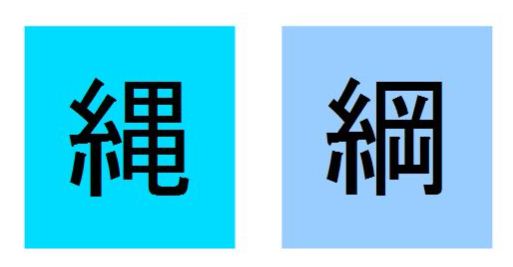
よく似たことば・・・縄と綱 Nawa and Tsuna - Japanese rope


 縄と綱。部首が糸偏の二つの言葉、英語に訳すとどちらもrope。形や機能はほぼ同じだが、用途はかなり異なる。縄が農作業や庭木の手入れなど身近に使われるのに対し、綱はトラックの荷物を縛るのに使われたり、運動会の綱引きに使われるなど、業務や特別なときに使われることが多い。
 縄は必要な長さに切って使われ、1回だけの使用に終ることが多いが、綱は繰り返し使われる。したがって、縄はそれほど強度がなくてよいから、ほとんどが稲藁で作られる。一方、綱は強度が必要とされるので、昔は麻で作られたが、最近はほとんどが合成繊維で作られている。
 生活への密着度という点からは、多少の差があるものの、どちらも私にはなじみ深い言葉である。カタカナ語が勢いを増す昨今、簡単にロープに取って代わられることがないよう願ってやまない。


★If you want to listen to this blog 
Please watch our video.

____________________________

★Kanji with hiragana

 縄(なわ)と綱(つな)。部首(ぶしゅ)が糸偏(いとへん)の二(ふた)つの言葉(ことば)、英語(えいご)に訳(やく)すとどちらもrope。形(かたち)や機能(きのう)はほぼ同(おな)じだが、用途(ようと)はかなり異(こと)なる。縄が農作業(のうさぎょう)や庭木(にわき)の手入(てい)れなど身近(みぢか)に使(つか)われるのに対(たい)し、綱はトラックの荷物(にもつ)を縛(しば)るのに使われたり、運動会(うんどうかい)の綱引(つなひ)きに使われるなど、業務(ぎょうむ)や特別(とくべつ)なときに使われることが多(おお)い。
 縄は必要(ひつよう)な長(なが)さに切(き)って使われ、1回(かい)だけの使用(しよう)に終(おわ)ることが多く、綱は繰(く)り返(か)し使われる。したがって、縄はそれほど強度(きょうど)がなくてよいから、ほとんどが稲藁(いなわら)で作(つく)られる。一方(いっぽう)綱は強度が必要とされるので、昔(むかし)は麻(あさ)で作られたが、最近(さいきん)はほとんどが合成(ごうせい)繊維(せんい)で作られている。
 生活(せいかつ)への密着度(みっちゃくど)という観点(かんてん)からは多少(たしょう)の差(さ)があるものの、どちらも私にはなじみ深(ぶか)い言葉である。カタカナ語(ご)が勢(いきお)いを増(ま)す昨今(さっこん)、簡単(かんたん)にロープに取(と)って代(か)わられることがないよう願ってやまない。


____________________

★English translation

The Japanese words 'nawa' and 'tsuna' . The left radical of both
words is the kanji "thread" radical and in English both words are translated as 'rope'. The form and features of both are roughly the

same but their purposes are considerably different. A 'nawa' is used in familiar jobs like farm work and in the tending of garden trees, whereas the 'tsuna' is often used is to bind luggage onto trucks, in tug of war games at school sports days, and for business and specialist uses.

'Nawa' is cut to a certain length and used and is often used and finished with only once, 'tsuna' however, is used over and over again. Since therefore, it's strength is not so necessary, nawa is often made of rice straw. On the other hand 'tsuna' needs to have strength, and in the past used to be made out of hemp but recently is mostly made out of synthetic fiber .

Though in terms of use in everyday life they are somewhat detached from myself, both words are deeply familiar to me. In recent times the use of Katakana has been gaining a lot of momentum, I really hope that these words are not simply replaced by the Katakana ロープ.


______________________  

★今週の語彙 
This week's vocabulary
部首(ぶしゅ):radical

かなり:considerably

異(こと)なる:to differ

庭木(にわき):garden trees

手入(てい)れ:attention

綱引(つなひ)き:tug of war

したがって:therefore

強度(きょうど):strength

一方(いっぽう):on the other hand

稲藁(いなわら):rice straw

麻(あさ):hemp

合成繊維(ごうせいせんい):synthetic fiber

密着度(みっちゃくど):adhension degree

なじみ深(ぶか)い:familiar

勢(いきお)いを増(ま)す:to increase vigor

昨今(さっこん):in these latter days

取(と)って代(か)わる:to take place of


★今週の文法

~に対(たい)し:while

~という観点(かんてん)から:from the viewpoint of ~

~ものの:~けれども  though~

願ってやまない:こころから願っている hope very much


By MOMII Shigefumi 


2012/04/15

三日坊主 The three day’s monk


春になると何か新しいことを始めたくなるのは私だけでしょうか。毎年春に新しいことにチャレンジするものの、三日坊主な私。今までにチャレンジしたことといえば、ジョギング、ダイエット用のDVDダンス、外国語学習など、たくさんありますが、続けられているのは・・・残念ながらほとんどありません。始めるのは簡単ですが、続けるのは本当に大変ですね。JOIの生徒のみなさんは、日本語の勉強を続けることができて、「本当にすごいな~。」といつも思います。そこで今回はレッスンでみなさんにお聞きした「日本語学習を続ける秘訣」をランキングにしてみました。

日本語学習を続ける秘訣ランキング(千葉調べ)
1位 目標を決める
2位 日本語学習を楽しむ
3位 頑張り過ぎない
 
 1位の「目標を決める」はみなさん様々な目標があるようです。具体的には日本のアニメやドラマを字幕なしで観る、日本へ旅行に行って日本人と日本語で話す、JLPTに合格する等々の目標がありました。2位の「日本語学習を楽しむ」というのは日本の文化やニュース、音楽に興味を持って楽しみながら勉強するということでした。3位の「頑張り過ぎない」は頑張り過ぎると疲れてしまって、嫌になってしまうから、もっと少し力を抜いて勉強したほうがいいということでした。これは本当に目から鱗が落ちました。私は100%頑張って、次の日に0%の力しか残っていないことがよくあるので、とてもためになるアドバイスでした。
 私は今、趣味でイタリア語の勉強をしています。みなさんからいただいたアドバイスを参考にして、イタリア語の勉強を続けたいと思います。一日に最低でも5分はイタリア語を勉強して、三日坊主にならないように頑張ります。「継続は力なり」、みなさんも一緒に外国語学習を頑張りましょう!

★If you want to listen to this blog 
Please watch our video.


____________________________

★Kanji with hiragana
 

三日坊主(みっかぼうず)
 春(はる)になると何(なに)か新(あたら)しいことを始(はじ)めたくなるのは私(わたし)だけでしょうか。毎年(まいとし)春(はる)に新(あたら)しいことにチャレンジするものの、三日坊主(みっかぼうず)な私(わたし)。今(いま)までにチャレンジしたことといえば、ジョギング、ダイエット用(よう)のDVDダンス、外国語学習(がいこくごがくしゅう)など、たくさんありますが、続(つづけ)けられているのは・・・残念(ざんねん)ながらほとんどありません。始(はじ)めるのは簡単(かんたん)ですが、続(つづ)けるのは本当(ほんとう)に大変(たいへん)ですね。JOIの生徒(せいと)のみなさんは、日本語(にほんご)の勉強(べんきょう)を続(つづ)けることができて、「本当(ほんとう)にすごいな~。」といつも思(おも)います。そこで今回(こんかい)はレッスンでみなさんにお聞(き)きした「日本語学習(にほんごがくしゅう)を続(つづ)ける秘訣(ひけつ)」をランキングにしてみました。

日本語学習(にほんごがくしゅう)を続(つづ)ける秘訣(ひけつ)ランキング
(千葉(ちば)調(しら)べ)
1位 目標(もくひょう)を決(き)める
2位 日本語学習(にほんごがくしゅう)を楽(たの)しむ
3位 頑張(がんば)り過(す)ぎない

 1位(い)の「目標(もくひょう)を決(き)める」はみなさん様々(さまざま)な目標(もくひょう)があるようです。具体的(ぐたいてき)には日本(にほん)のアニメやドラマを字幕(じまく)なしで観(み)る、日本(にほん)へ旅行(りょこう)に行(い)って日本人(にほんじん)と日本語(にほんご)で話(はな)す、JLPTに合格(ごうかく)する等々(などなど)の目標(もくひょう)がありました。2位(い)の「日本語学習(にほんごがくしゅう)を楽(たの)しむ」というのは日本(にほん)の文化(ぶんか)やニュース、音楽(おんがく)に興味(きょうみ)を持(も)って楽(たの)しみながら勉強(べんきょう)するということでした。3位(い)の「頑張(がんば)り過(す)ぎない」は頑張(がんば)り過(す)ぎると疲(つか)れてしまって、嫌(いや)になってしまうから、もっと少(すこ)し力(ちから)を抜(ぬ)いて勉強(べんきょう)したほうがいいということでした。これは本当(ほんとう)に目(め)から鱗(うろこ)が落(お)ちました。私(わたし)は100%頑張(がんば)って、次(つぎ)の日(ひ)に0%の力(ちから)しか残(のこ)っていないことがよくあるので、とてもためになるアドバイスでした。
 私(わたし)は今(いま)、趣味(しゅみ)でイタリア語(ご)の勉強(べんきょう)をしています。みなさんからいただいたアドバイスを参考(さんこう)にして、イタリア語(ご)の勉強(べんきょう)を続(つづ)けたいと思(おも)います。一日(いちにち)に最低(さいてい)でも5分(ふん)はイタリア語(ご)を勉強(べんきょう)して、三日坊主(みっかぼうず)にならないように頑張(がんば)ります。「継続(けいぞく)は力(ちから)なり」、みなさんも一緒(いっしょ)に頑張(がんば)りましょう!

____________________

★English translation
The three day’s monk
Is it only me that when spring comes, I want to start something new? Although I try a new thing every spring, such “a three day’s monk” I am. Speaking of the things I have tried so far, there are so many such as jogging, DVD dance for diet, learning foreign languages etc, but unfortunately I have not been able to keep any of them up. It is easy to start, but really hard to continue, isn’t it? Every student at JOI can keep up their Japanese study, and I always think “they are really great.” So, this time I made a ranking of “the tips to keep up leaning Japanese” that I heard in lessons.

The ranking of tips to keep up learning Japanese (researched by Chiba)
1 decide a goal
2 enjoy learning Japanese
3 don’t study too hard

As for No1, “decide a goal”, it seems everybody has various goals. Specifically, there were goals such as watching Japanese anime or drama without subtitles, going to Japan and speaking to Japanese people, passing JLPT etc… No2, “enjoy learning Japanese” indicates that you can enjoy studying with interests in Japanese culture, news and music. As for No 3, “don’t study too hard” means that if you study too hard, you would start to dislike it and it is best to relax a bit more and study. This was really enlightening for me. Since it happens a lot that I use 100% of my energy, and have 0% energy left on the very next day, this advice was very useful.
Now I study Italian as my hobby. Referring to the advice everyone gave me, I will keep up my Italian studies. I will study Italian at least 5 minutes a day, and do my best not to be a three day’s monk. “Slow but steady wins the race”, let’s keep studying together!

______________________  

★This week's vocabulary

三日坊主 / みっかぼうず  
 one who can stick to nothing (literally: three day’s monk)

-用 / よう  
n-suf use

学習 / がくしゅう  
learning

残念ながら / ざんねんながら 
unfortunately

秘訣 / ひけつ  
 (secret) tip

具体的に / ぐたいてきに  
specifically 

字幕 / じまく  
subtitle

等々 / とうとう / などなど :
etcetera, etcetera

目から鱗が落ちる/めからうろこがおちる 
  to see the light; to be awakened to the truth (literally: to have the scales fall from one's eyes)

最低でも/さいていでも  
 at least

継続は力なり/けいぞくはちからなり  
 persevering through something difficult makes one stronger; whatever doesn't kill us only makes us stronger; slow but steady wins the race


By CHIBA Sakie


2012/04/08

日本では四月二日の誕生日が多い!? Why are there so many April 2nd birthdays in Japan ?


みなさんの誕生日はいつですか。
私の誕生日は3月です。
日本では四月一日と二日で学年が変わるので、私のような三月生まれの人は同じ学年の四月に生まれた人とは約一年の差があります。
子どもの時の一年はとても大きいですね。
体の大きさも違うし、できることも違いますよね。
私も子どもの時、体が小さくて、お弁当を食べるのも、走るのも、何をするのも遅くて、みんなについていくのが大変でした。
子どもが私のようにみんなについていけないのを心配した両親が、三月末や四月一日生まれの赤ちゃんを四月二日に生まれたと役所に届けを出すことがあるそうです。
それで日本では四月二日が誕生日の人が多いのだそうですよ。
うその誕生日の届けを出すのはちょっと変だと思いますが、両親の愛(?)も感じます。
みなさんはどう思いますか。


★If you want to listen to this blog 
Please watch our video.


____________________________

★Kanji with hiragana


日本(にほん)では四月(しがつ)二日(ふつか)の誕生日(たんじょうび)が多(おお)い!?

みなさんの誕生日(たんじょうび)はいつですか。
私(わたし)の誕生日(たんじょうび)は三月(さんがつ)です。
日本(にほん)では四月(しがつ)一日(ついたち)と二日(ふつか)で学年(がくねん)が変(か)わるので、私(わたし)のような三月(さんがつ)生(う)まれの人(ひと)は同(おな)じ学年(がくねん)の四月(しがつ)に生(う)まれた人(ひと)とは約(やく)一年(いちねん)の差(さ)があります。

子(こ)どもの時(とき)の一年(いちねん)はとても大(おお)きいですね。
体(からだ)の大(おお)きさも違(ちが)うし、できることも違(ちが)いますよね。
私(わたし)も子(こ)どもの時(とき)、体(からだ)が小(ちい)さくて、お弁当(べんとう)を食(た)べるのも、走(はし)るのも、何(なに)をするのも遅(おそ)くて、みんなについていくのが大変(たいへん)でした。

子(こ)どもが私(わたし)のようにみんなについていけないのを心配(しんぱい)した両親(りょうしん)が、三月(さんがつ)末(まつ)や四月(しがつ)一日(ついたち)生(う)まれの赤(あか)ちゃんを四月(しがつ)二日(ふつか)に生(う)まれたと役所(やくしょ)に届(とど)けを出(だ)すことがあるそうです。

それで日本(にほん)では四月(しがつ)二日(ふつか)が誕生日(たんじょうび)の人(ひと)が多(おお)いのだそうですよ。
うその誕生日(たんじょうび)の届(とど)けを出(だ)すのはちょっと変(へん)だと思(おも)いますが、両親(りょうしん)の愛(あい)(?)も感(かん)じます。
みなさんはどう思(おも)いますか。


____________________

★English translation


When is your birthday ?My birthday is in March.
In Japan the school grade changes on April 1st and 2nd, so for people with March birthdays like me, there is almost a one year gap between other classmates born in April.

For children, a one year gap in ages is really big.
Body sizes are different, and the things that they can do are different as well right ?
When I was a kid, my body was small, and whatever I did, from eating my lunchbox to running I was always slow and it was really difficult to keep up with every one else.

I've heard that parents who worry that thir child won't be able to keep up with everyone else, like I couldn't , report to the public registry office that their babies, which were actually born at the end of March or on April first, were born on April 2nd.

So then, apparently people with April 2nd birthdays are many.
Even though I think that reporting a false birthday is strange, I can feel the love (?) of the parents in the action.

What do you think ?


______________________  
★This week's vocabulary


学年(がくねん)  a grade at school
 

生(う)まれ    birth
 

差(さ)    (a) difference; a gap
 

体(からだ)   the body
 

お弁当(べんとう)  a packed [box] lunch
 

ついていく    keep up with
 

役所(やくしょ)    a government [public] office
 

届(とど)け    a report; a notice
 

出(だ)す    submit


By NORITOMI Takako